
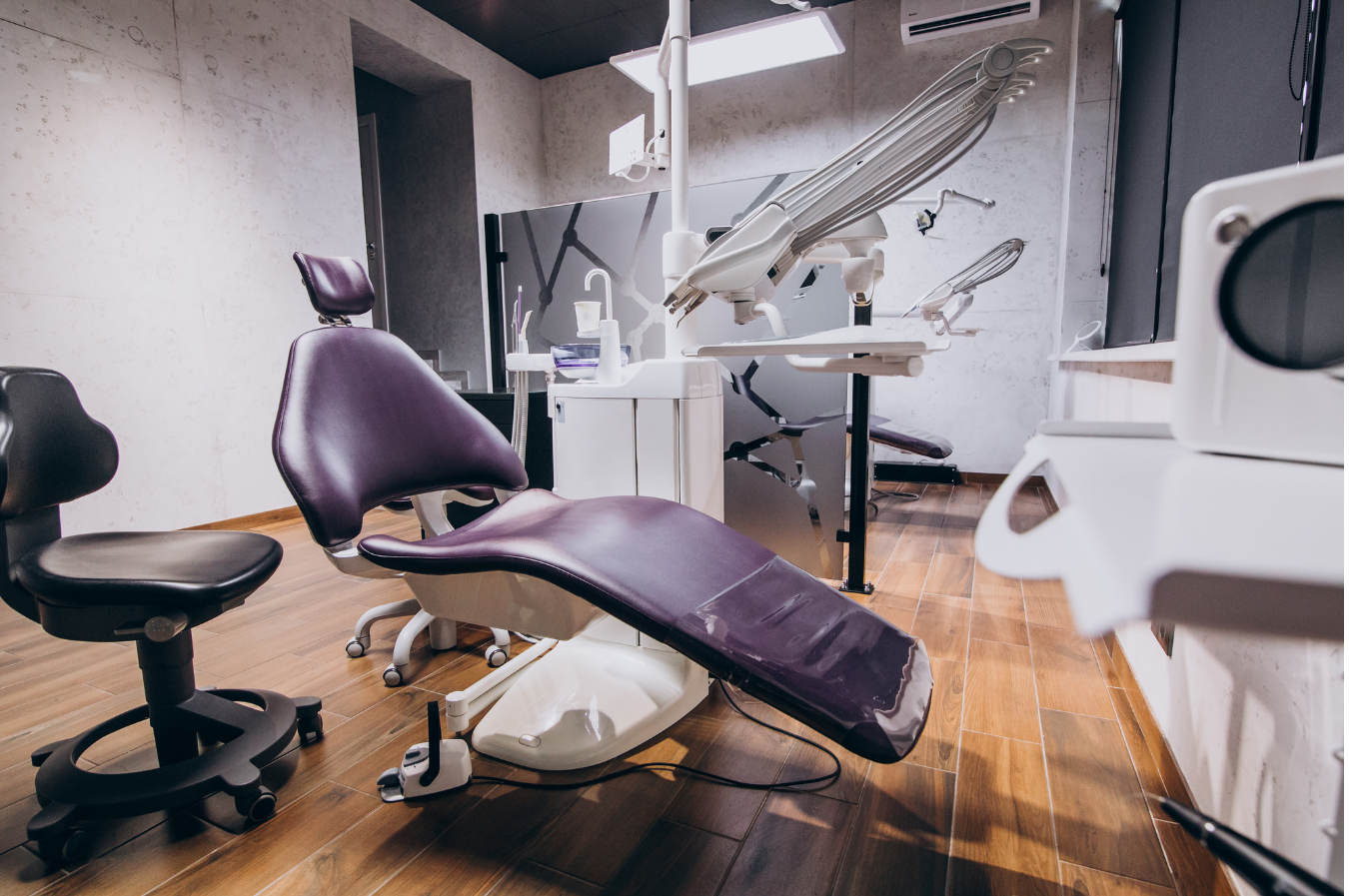
Orthodontic treatment has come a long way over the years—and if you live in New Hampshire, you’ve got access to a wide range of options that go far beyond traditional braces. Whether you’re a parent exploring care for your child or an adult looking to improve your own smile, understanding your treatment choices is the first step toward a healthier, more confident future.
This guide walks you through the most common types of orthodontic treatments available in New Hampshire, how they work, who they’re best for, and what to expect throughout the process.
What Is Orthodontics, and Why Does It Matter?
Orthodontics is a specialized branch of dentistry that focuses on correcting misaligned teeth and jaws. Proper alignment does more than improve appearance—it also boosts oral health, prevents long-term dental issues, and improves function (like chewing and speaking).
In New Hampshire, orthodontic treatment is commonly recommended for both kids and adults dealing with:
- Crowded or spaced-out teeth
- Overbites, underbites, and crossbites
- Jaw discomfort or misalignment
- Speech challenges related to dental issues
- Confidence concerns due to the look of their smile
Modern orthodontics focuses on results—but also on comfort, convenience, and customization.
When to Consider Orthodontic Treatment
There’s no one-size-fits-all timeline for orthodontic care, but there are general milestones that can help guide the decision.
- Children (Ages 7–11) — An early orthodontic screening is often recommended around age 7. While full treatment might not begin right away, early observation helps identify issues that are easier to correct while the jaw is still growing.
- Teens (Ages 12–18) — This is the most common time for braces and aligners. Most adult teeth are fully in place, and treatment can progress efficiently with minimal long-term impact.
- Adults (18+) — It’s never too late to straighten your teeth. Today’s discreet options make orthodontic care more accessible for adults than ever before.
In New Hampshire, you’ll find orthodontic providers who specialize in age-specific care, tailoring treatment plans to each stage of life.
Types of Orthodontic Treatments Available in NH
From traditional braces to cutting-edge clear aligners, there are a number of options to choose from. Each has its own advantages, and the right choice depends on your goals, lifestyle, and the complexity of your case.
1. Traditional Metal Braces
These are the classic metal brackets and wires most people picture when they think of orthodontics. Today’s versions are sleeker, more comfortable, and more efficient than in the past.
- Great for complex cases
- Typically more affordable
- Customizable with colored bands
2. Clear Ceramic Braces
Similar in function to metal braces, ceramic braces blend in more with your natural teeth. They’re ideal for teens and adults who want a subtler look.
- Less visible than metal
- Require a bit more care to avoid staining
- Just as effective for many cases
3. Self-Ligating Braces
A newer bracket system that uses built-in clips instead of elastic bands. These braces allow for more natural movement of the teeth and often require fewer adjustments.
- Gentler on teeth
- Fewer office visits
- Often shorter treatment times
4. Invisalign and Clear Aligners
Clear aligners like Invisalign are a popular choice across New Hampshire for adults and older teens. They use a series of nearly invisible trays to gradually shift your teeth into place.
- Removable for eating and brushing
- Nearly invisible
- Best for mild to moderate alignment issues
5. Early Intervention Appliances
For younger children, certain appliances like expanders or partial braces can help guide jaw growth and prevent more serious issues later on.
- Often part of a 2-phase treatment
- Can reduce the need for future extractions or surgery
How Long Does Treatment Take?
The length of orthodontic treatment depends on the method used and the complexity of the case. On average:
- Braces — 18–24 months
- Invisalign — 12–18 months for many cases
- Early appliances — 6–12 months, often followed by a second phase in adolescence
The best way to get an accurate estimate is through a professional consultation and evaluation.
What to Expect During Treatment
Orthodontic treatment is a process—but it’s one that’s become much more streamlined and comfortable thanks to modern advances.
Here’s what patients in New Hampshire can generally expect:
- Initial Consultation — A provider assesses your teeth, takes x-rays or digital scans, and discusses treatment options.
- Custom Treatment Plan — You'll receive a timeline, care instructions, and details on costs.
- Regular Adjustments or Tray Changes — Braces require periodic tightening, while aligners are switched out every 1–2 weeks.
- Retention Phase — Once treatment is complete, a retainer is used to maintain results long-term.
With today’s technology, many patients also benefit from fewer in-office visits and faster results.
Choosing the Right Provider in New Hampshire
There are many qualified orthodontists across New Hampshire, but choosing one with a focus on patient comfort, efficiency, and modern treatment options can make all the difference.
- Has extensive experience with the treatment you’re considering
- Offers flexible scheduling and clear communication
- Uses the latest technology for diagnostics and care
- Provides a warm, welcoming environment that supports patients of all ages
Ready to Begin Your Smile Journey?
If you're considering orthodontic treatment in New Hampshire, you're already on the right path. At Seacoast Braces Miller Orthodontics, we offer advanced, personalized care from two convenient locations in Exeter and Dover. Whether you’re interested in Invisalign, braces, or exploring options for your child, our team is here to help.
Schedule your free consultation today and take the first step toward a healthier, more confident smile—right here in the Granite State.